-
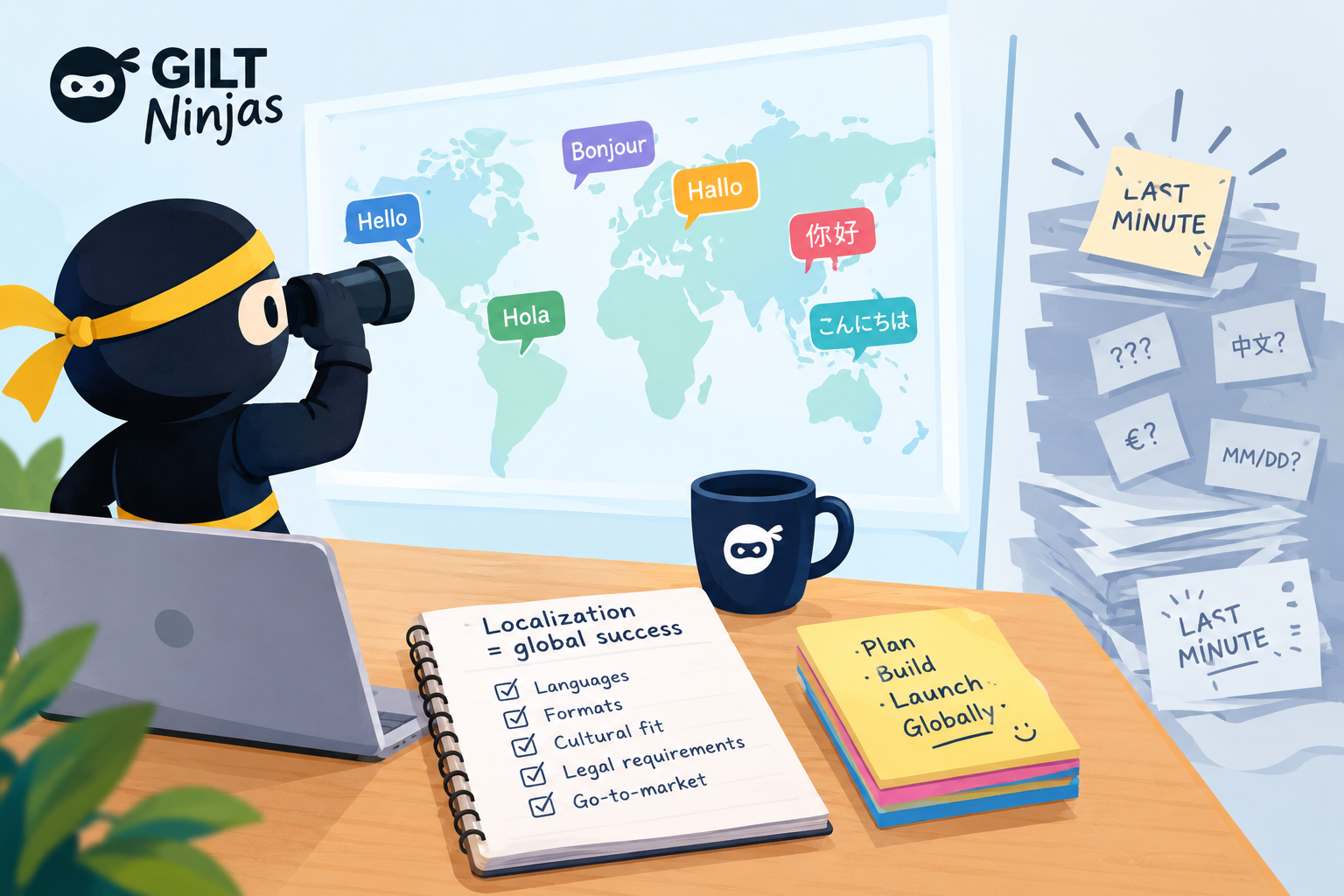
Localization survival guide for PMs: why localization matters to project, product and program managers
Sunny greetings, dear reader! This is a mini-series for all the managers out there. It can also be helpful for globalization experience teams to recommend to their managers so everyone is working with a common baseline.
-

-

Use of AI to create designs that adapt to your global markets (part I)
In my last post I explored how to obtain international content to create designs that adapt to global markets. I explained how the traditional method, pseudolocalization, is fast but imprecise, since it always assumes a worst-case expansion that may not reflect reality. I suggested a more modern approach: using an…
-

Global design – the final frame: imagery insights to nail your design
Sunny greetings, dear reader! We are approaching the end. Not the end of the world. But the end of our fun design mini series. Today we clear up some more details when it comes to imagery and your design.
-
Global design – flags aren’t neutral, formats aren’t simple
Sunny greetings, dear reader! Global design is full of hidden traps – some political, some purely cultural. It’s about avoiding hidden landmines. Flags that seem harmless can spark political debates.