Tag: UI content
-
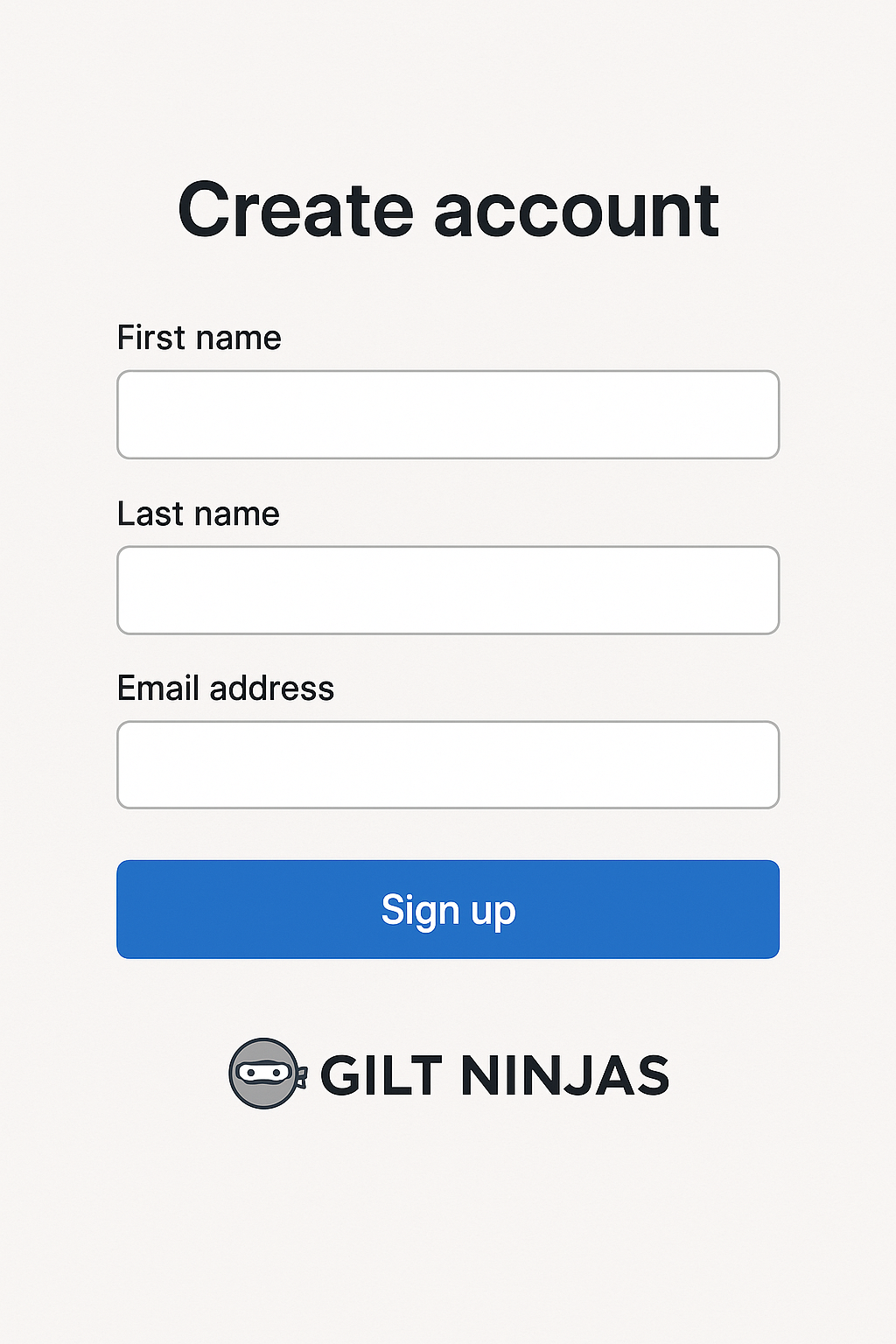
What’s in a name?
At GILT Ninjas, we’ve covered many complex topics over time. But there’s one seemingly simple concept we haven’t touched on, and it’s one of the most overlooked (and surprisingly tough) challenges for companies expanding globally: how to handle names.
-

How to generate a first-class resource file: usage of variables in strings
I’ve been revisiting our How to generate a first-class resource file series, and realized we missed one key piece, one of the most common and problematic scenarios when delivering localized content: broken strings caused by poorly handled variables.
-

Sorting, translating, and formatting lists: best practices for global usability
When developing products for global audiences, small details can have a significant impact on usability. One area often overlooked in localization is how lists are sorted and formatted.
-

Writers lost in translation: preparing content for translation
Sunny greetings, dear reader! Today, in this mini post series for writers, I discuss what you need to consider when preparing content for translation. Context is crucial for translation, as it ensures high-quality results.
-

Visual testing – a new approach to LQA?
In today’s post, I want to focus on one of the most expensive areas of the localization process that ensures the quality delivered to our end users: linguistic quality assurance (LQA).
-

Boosting efficiency: early localization after design phase
Starting the localization phase after code implementation usually leads to time and quality issues.
-

How to generate a first class resource file: usage of URLs, user names and addresses
With this post, we are wrapping up our series on how to generate a first-class resource file. We will go over different challenges that we can find when URLs, user names, and addresses are used in the UI, focusing on how often they are used in the resource files.
-
How to generate a first class resource file: usage of placeholders and instructions
Today we will talk about the implications and the preparation that proper placeholders and instructions require to ensure information is properly parsed and mistranslations are avoided.
-

Writing with a global mindset – part 3
Sunny greetings, dear reader! Aspects such as casing, spelling, punctuation, and terminology are especially important when it comes to translation. Some of these aspects can affect the output when using technologies like translation memory, machine translation, and language models.
-
How to generate a first class resource file: usage of numbers, dates and currencies
In our previous post, we discussed how naming the keys for our strings can improve the quality of our product internationally. In this post, we will continue exploring best practices in the usage of numbers, dates, and currencies.