Author: Carlos Barbero-Cortés
-

Use of AI to create designs that adapt to your global markets (part I)
In my last post I explored how to obtain international content to create designs that adapt to global markets. I explained how the traditional method, pseudolocalization, is fast but imprecise, since it always assumes a worst-case expansion that may not reflect reality. I suggested a more modern approach: using an AI prompt to identify the…
-
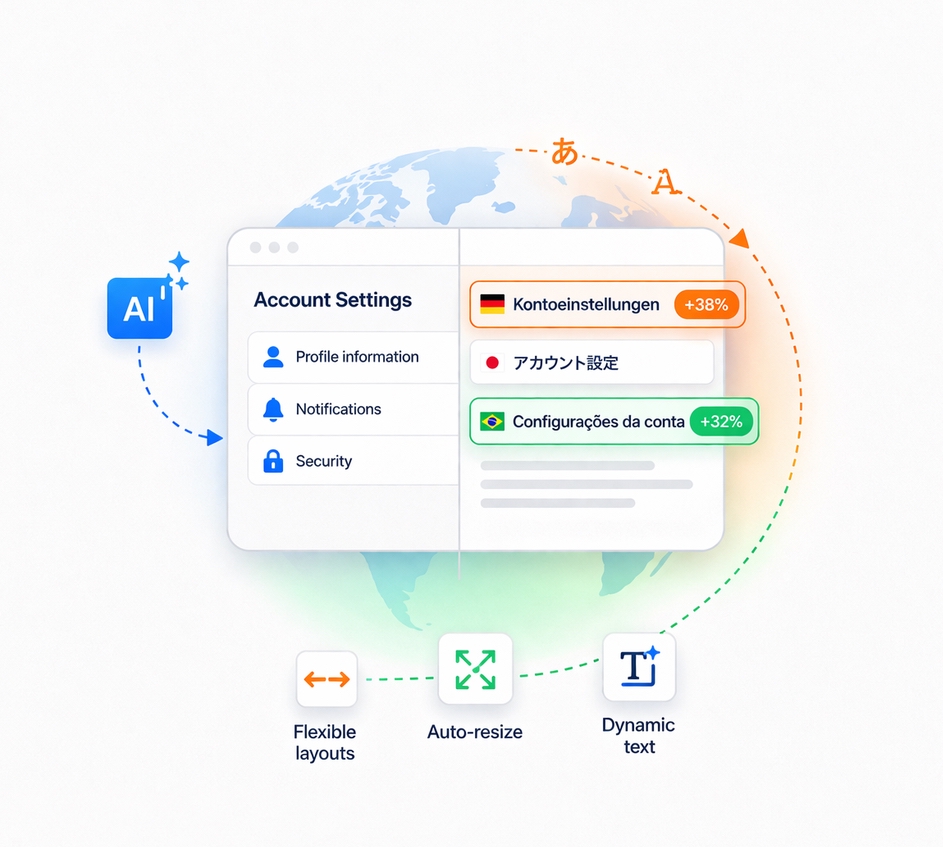
How to create designs that adapt to your global markets
One of the key areas for succeeding globally with your product is having a design that adapts to all the languages you support (and feels like it was built for them). If you don’t do this, you risk your global customers perceiving your product as foreign.
-

How to start your product’s global journey
With the rise of large language models (LLMs) and their so well known translation capabilities, one big question keeps popping up: Do you still need a computer assisted translation (CAT) tool to take your product global?
-
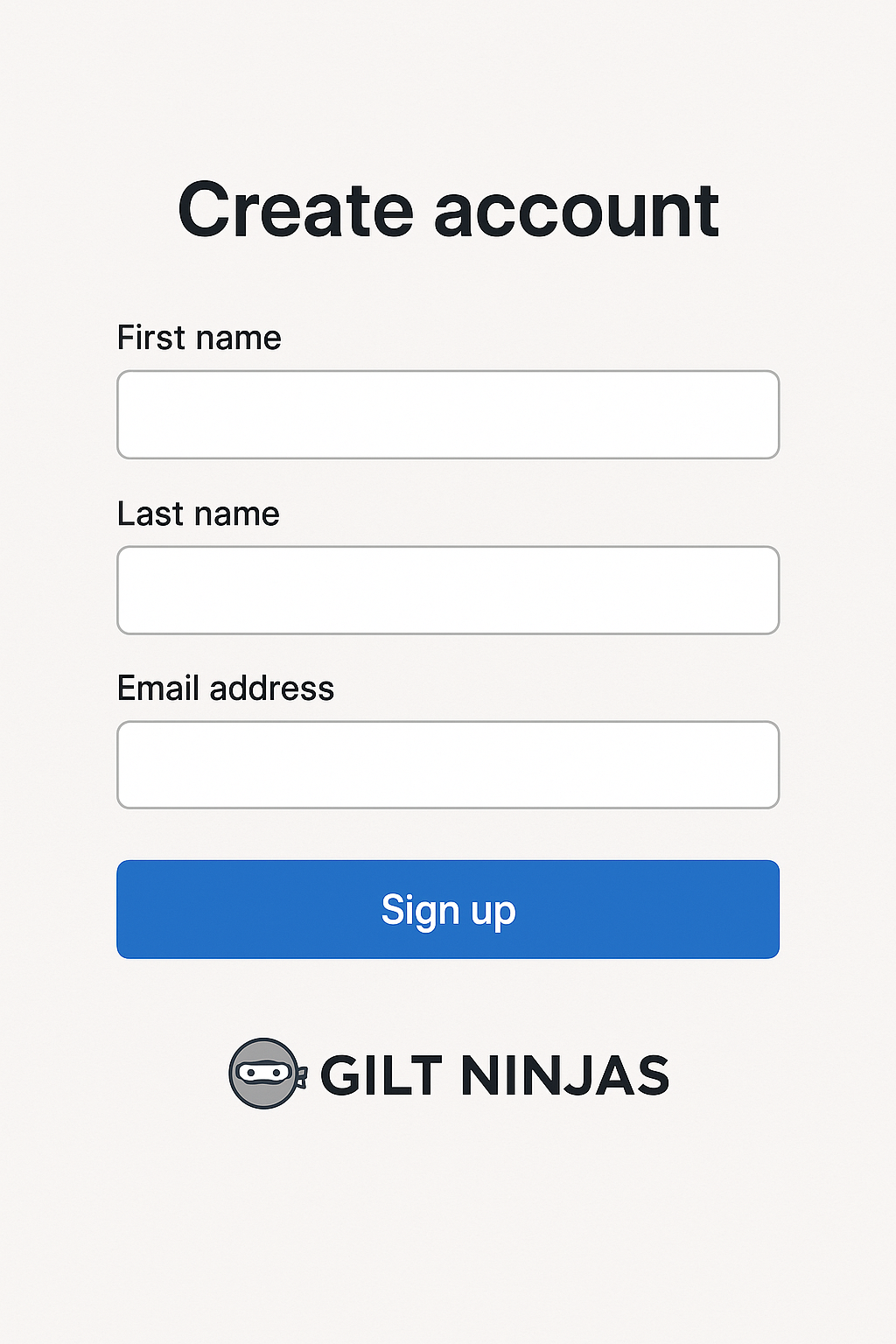
What’s in a name?
At GILT Ninjas, we’ve covered many complex topics over time. But there’s one seemingly simple concept we haven’t touched on, and it’s one of the most overlooked (and surprisingly tough) challenges for companies expanding globally: how to handle names.
-

SMS for your global audience
One of the most overlooked areas in global communication is the technical limitations of reaching a worldwide audience, and SMS is one of the least understood.
-

How to generate a first-class resource file: usage of variables in strings
I’ve been revisiting our How to generate a first-class resource file series, and realized we missed one key piece, one of the most common and problematic scenarios when delivering localized content: broken strings caused by poorly handled variables.
-

Using LLMs to review source content before translation
One of the biggest challenges in localization is dealing with ambiguous or incorrect source content. Because of the automation pipelines many companies use, content is often sent for translation the moment it’s detected – whether it’s ready or not.
-

Sorting, translating, and formatting lists: best practices for global usability
When developing products for global audiences, small details can have a significant impact on usability. One area often overlooked in localization is how lists are sorted and formatted.
-

Automating translations using Json scripts
One of the biggest advantages of Large Language Models (LLMs) is their ability to translate content while considering its context. Today, I’m sharing how to automate the translation process using OpenAI and a simple JSON script.
-

When to start a proper globalization strategy
Today, let’s look at when a company should start building a globalization strategy. It may seem easy to say,”’we’ll deal with it when we get there,” but waiting too long can limit both impact and profitability if global expansion becomes a goal down the line.